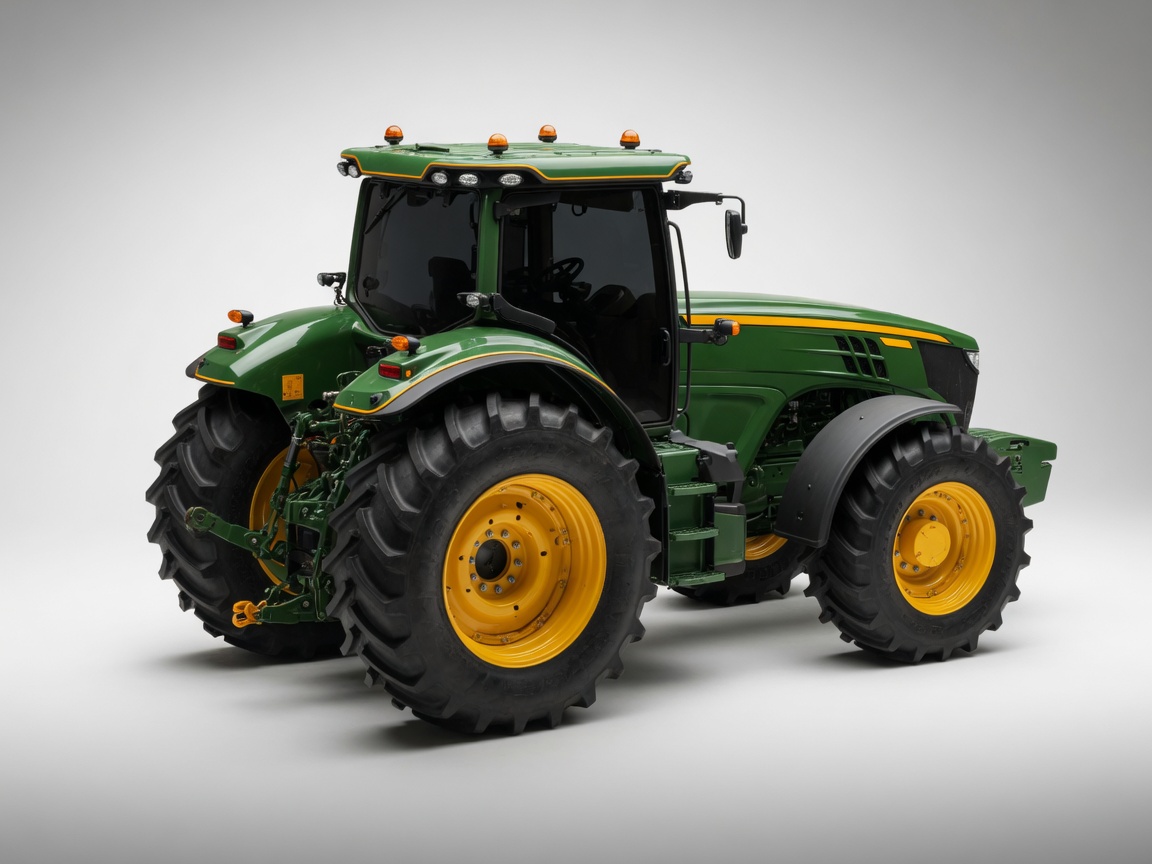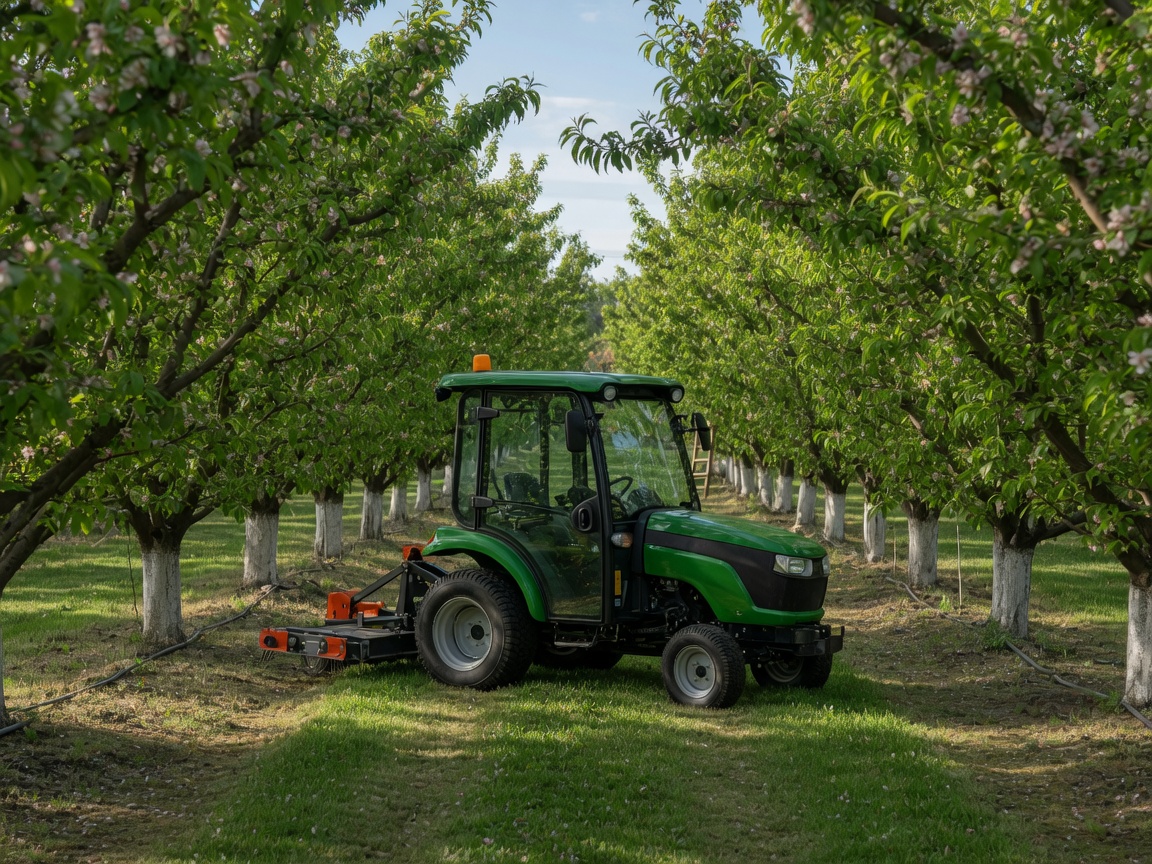
In orchards and vineyards, fit often beats raw power. A tractor that is slightly lower and tighter on turns can outperform a higher-HP machine that scrapes branches all day.
Key takeaways
- Measure row width and canopy height before choosing a model.
- Prioritize turning radius and overall height over peak HP.
- Pair compact units with light tillers, mowers, and single-axle trailers.
- Ask for orchard tire and low-profile option packages.
On this page
1. Fit first: height and width
Branch damage and operator fatigue often come from machines that are simply too tall or wide for the row. Share row spacing and canopy height with your supplier so they can recommend compact dimensions and optional low-profile packages.
2. How much power is enough?
Many orchard tasks—light tillage, mowing, spraying support, and trailer runs—sit comfortably in the 25–50 HP band. Extra horsepower only helps if your heaviest implement truly needs it.
Buyer tip: Measure twice. A compact 45 HP unit that fits every row beats a 75 HP utility tractor that only works on the perimeter.
3. Typical implement pairing
- Rotary tiller (narrower working widths)
- Light plow or cultivator
- Single-axle farm trailer
- PTO mower where applicable
4. Models to shortlist
Start with the Compact series. The AN-45 is a popular export choice for orchards and mixed small farms. If you also need more loader work outside the orchard, compare against mid-utility models.
View AN-45 Ask for orchard config
Want a model recommendation?
Tell us farm type, HP preference, destination port, and quantity. Our export sales team will respond within one business day.